

Seamless Care From Door to Bay
Today we explore white-glove vehicle pickup and drop-off workflows for auto service clients, focusing on concierge touches, safety protocols, and communication rhythms that transform errands into effortless care. Walk with us from first message to smiling return, and borrow proven checklists, scripts, and practical rituals you can apply immediately to elevate confidence, reduce friction, and win lasting loyalty.


Designing the First Contact
The initial exchange sets trust, warmth, and precision. When clients request pickup, they’re really asking for certainty: time windows that stick, respectful dialogue, and a simple path to yes. Establish tone with empathy, confirm needs clearly, offer choices, and use plain language that reassures busy people juggling real life and real schedules.
Chain of Custody and Vehicle Handoffs
{{SECTION_SUBTITLE}}

Digital Walkaround and Photo Time-Stamping
Complete a guided walkaround in-app with geotagged photos, tire tread snapshots, odometer capture, and video of pre-existing marks. Share the report instantly, not buried later. Clients appreciate evidence over memory, and advisors gain clarity when repair decisions emerge. This single step prevents misunderstandings and anchors conversations in friendly, factual transparency.

Key Security, Tags, and Dual-Verification
Use tamper-evident bags, unique tags, and two-person confirmation at handoff and intake. Store keys in restricted boxes with logged access, not an open pegboard. Explain the process aloud so clients understand care isn’t performative—it’s real, consistent, and tested. Visible rigor converts nervousness into trust while protecting your team and operation.
Route Optimization Meets Human Courtesy
Blend software with common sense. Respect school zones and community rhythms rather than chasing seconds. Notify clients if routing changes, sharing an updated estimated arrival and a brief reason. When a parade or storm reroutes plans, a kind message diffuses worry, and the small delay becomes proof of judgment, not disorganization.
Training for EVs, ADAS, and Unusual Situations
Teach safe shut-down routines, charger etiquette, and tow-mode nuances for various models. Review ADAS quirks that trigger alerts on bumpy roads. Practice edge cases—dead FOB, stuck parking brake, driveway slope—until calm becomes muscle memory. Clients notice competence immediately when a rare snag appears and the solution seems practiced, respectful, and quick.
Transparent Communication and Updates
Great updates arrive before anxiety does. Set a cadence clients can anticipate: pickup confirmed, vehicle checked in, diagnostic insight, approval request, parts status, completion, road test, and return ETA. Keep messages plain, optional for silence lovers, and richly linked for detail seekers who want estimates, photos, or short explainer videos.

Drop-Off, Delight, and Return
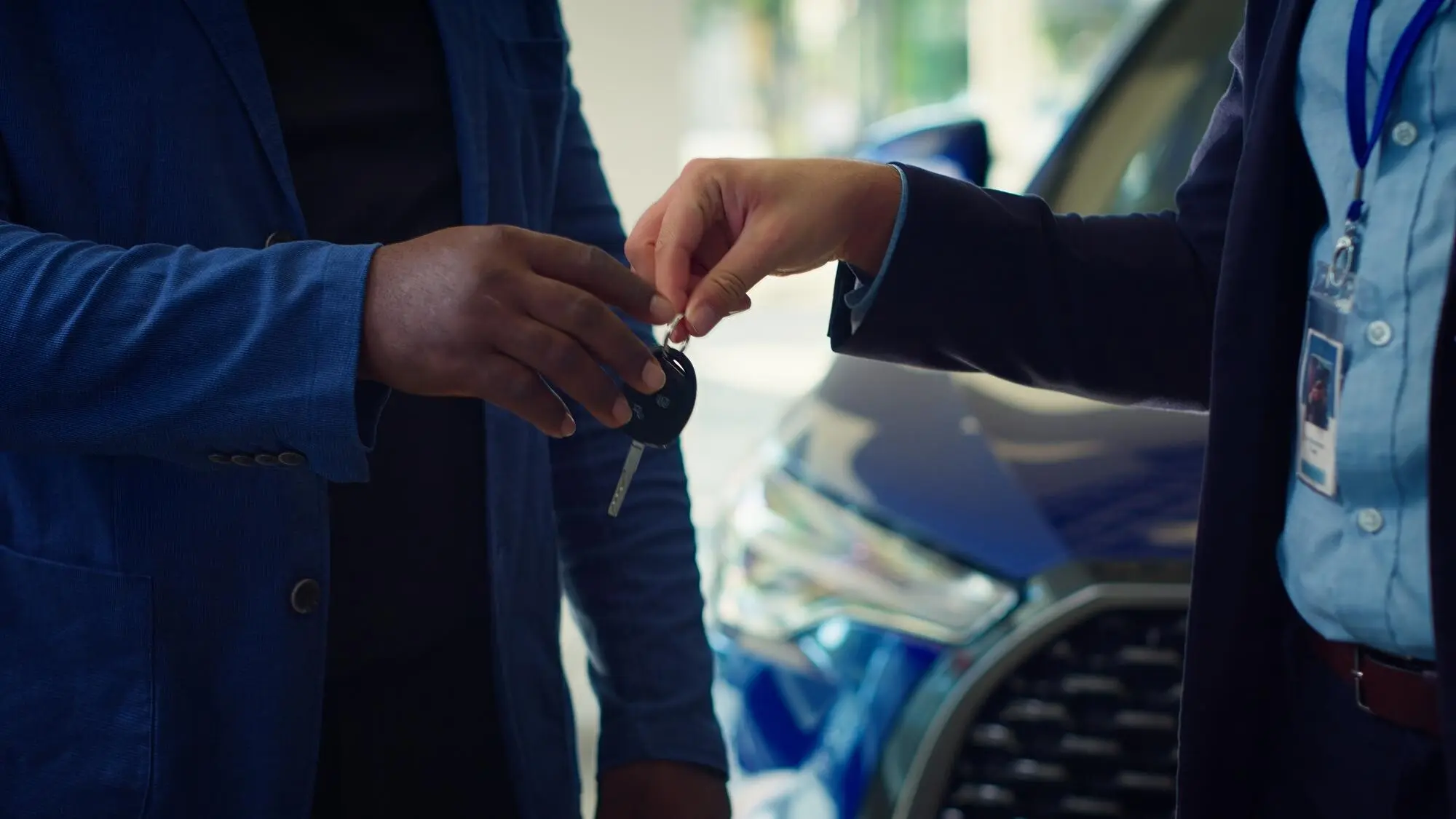
The finale should feel like closure and care, not just completion. A clean cabin, explained invoice, and smooth authorization create relief. Add thoughtful touches—a saved radio preset, neatly bagged replaced parts when requested, a brief maintenance note. The final handshake, digital or in person, cements memory and future preference.
Send a clear, itemized summary with taxes, parts, labor hours, and warranty terms in plain language. Let clients pay securely with stored methods or one-tap links. Include quick financing when surprises arise. Fewer clicks, zero pressure, and transparent math transform checkout from chore to confirmation that everything was handled respectfully and right.
Return vehicles with paper mats removed, mirrors reset, and steering wheel aligned as found. Leave a concise service recap card and a microfiber cloth as a small thank-you. These little signals tell clients their vehicle didn’t just pass through; it received careful, human attention that makes everyday driving calmer and safer.
Data, KPIs, and Continuous Improvement
Measure what clients actually feel, not only throughput. Track on-time pickups, variance to promises, photo completeness, message response times, driver courtesy scores, and post-return issues within seven days. Use trends to refine scripts, training, and buffers. Turning insight into action sustains excellence when volume grows and conditions inevitably change.
Measuring What Matters, Not Just What’s Easy
Simple counts mislead. Blend quantitative signals with narrative comments and before–after comparisons. A high net promoter score means less if walkthrough photos are inconsistent. Create dashboards that highlight lapses early, then empower frontline teams to fix root causes quickly rather than chase averages. Precision grows when you reward thoughtful, customer-centered wins.
Feedback That Feeds Real Change
Invite replies in every message and celebrate detailed critiques. When a client mentions a confusing approval step, show exactly how you simplified it next release. Share back improvements in a monthly update. People love seeing their fingerprints on progress, and your operation learns faster than competitors still defending yesterday’s process.
Training, Playbooks, and Culture
Codify best practices in short, visual playbooks that drivers and advisors actually read. Rehearse tricky moments in brief huddles: rainstorms, gated communities, missing keys, unexpected noises. Spotlight teammates who model empathy. The system improves, but more importantly, people grow proud of the standard they uphold, one respectful handoff at a time.
All Rights Reserved.